Guide · Payload
What is the right electric bike for heavy riders?
Updated October 23, 2026
Look first at the bike’s listed maximum payload: it has to cover your weight plus everything you carry, with a margin. Then favor hydraulic disc brakes, a motor with plenty of torque for hills, and wide tires. Each bike page on QUBILO shows the payload as listed by the seller, or “Not listed” when the seller does not say.
What “max payload” means
Maximum payload is the total weight the bike is rated to carry: the rider, plus a backpack, a delivery bag, groceries or anything on the rack. It is not the rider’s weight alone.
Brands measure and word it differently. Some list a rider limit and a separate rack limit, and the rack limit is usually much lower. If a listing does not give a number, we show “Not listed” rather than guess.
How to add it up
- Start with your weight, dressed and with shoes on.
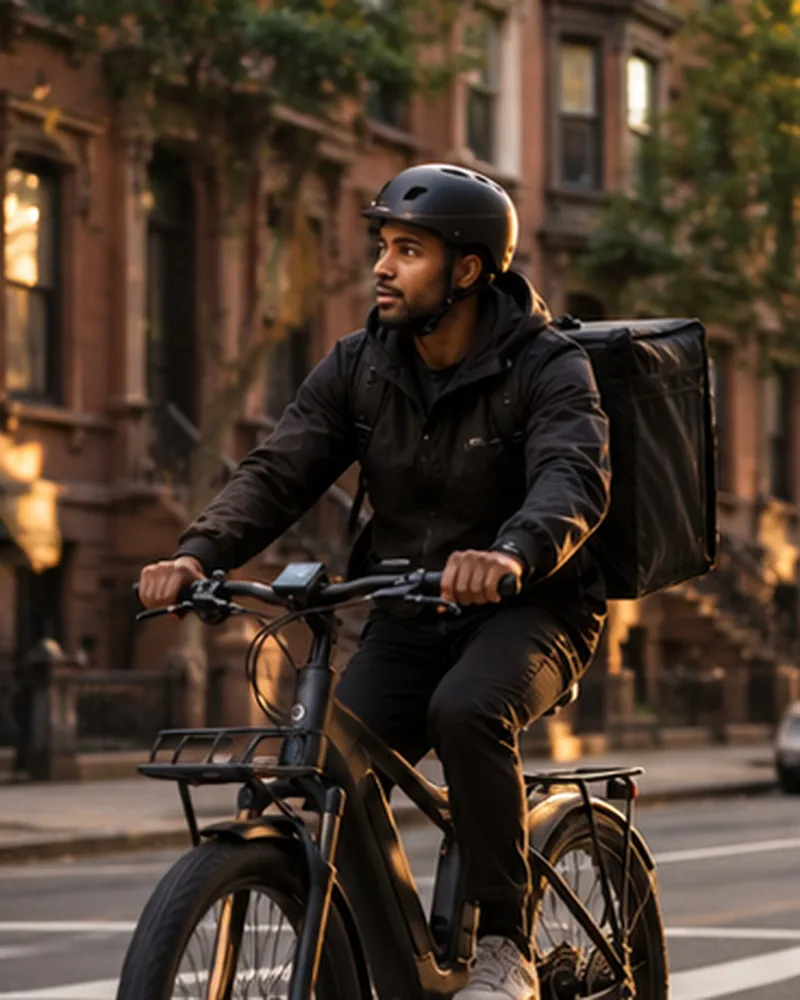
- Add what you usually carry: a backpack, a delivery bag, a lock, groceries.
- Leave a margin. Riding close to the limit every day wears brakes, tires and spokes faster.
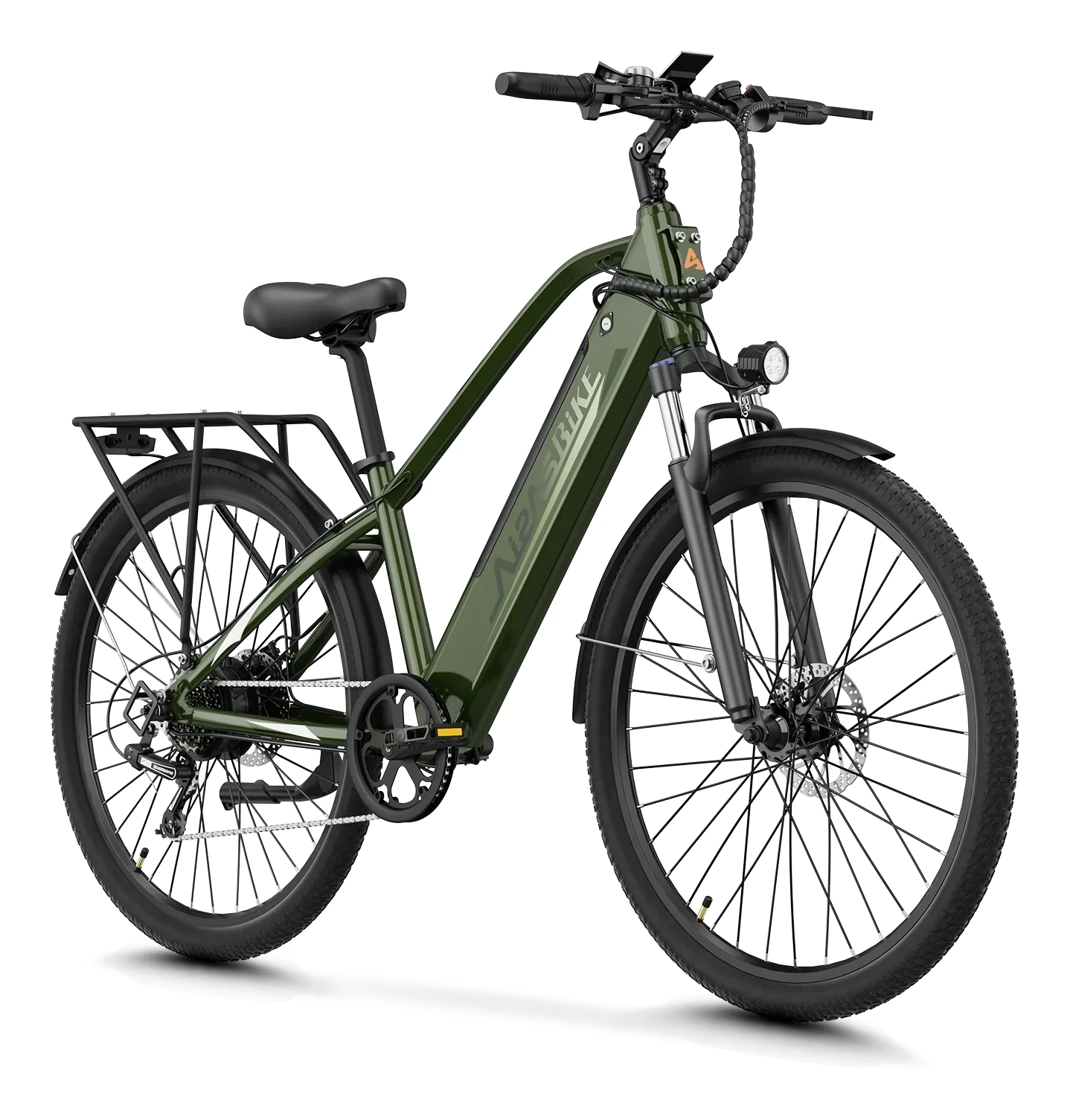
- If you carry things on the rear rack, check the rack’s own limit too.
What else helps
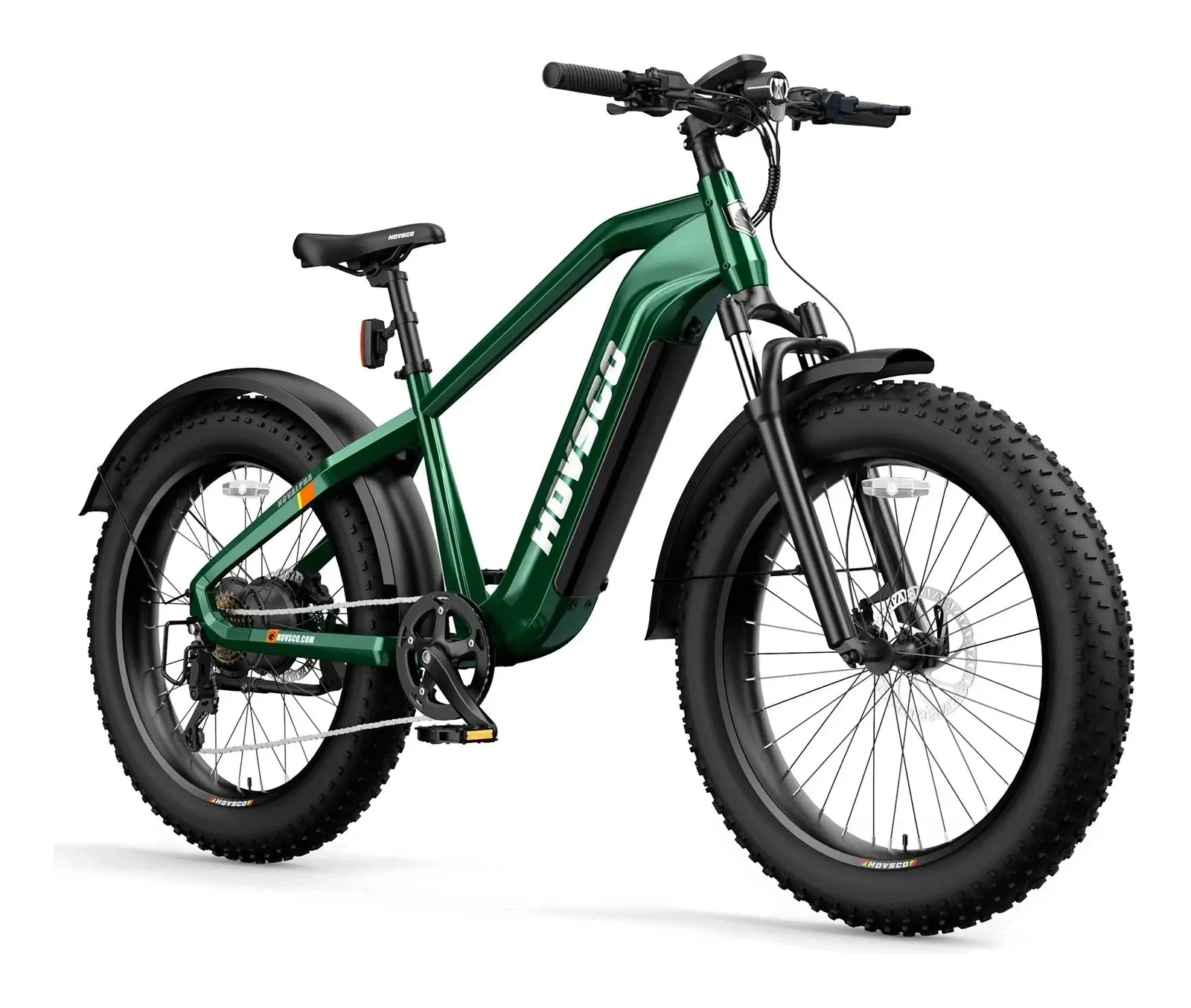
- Hydraulic disc brakes, which need less hand force to stop a heavier load.
- Motor torque, listed in newton-meters (Nm): more torque helps on hills and when starting from a stop.
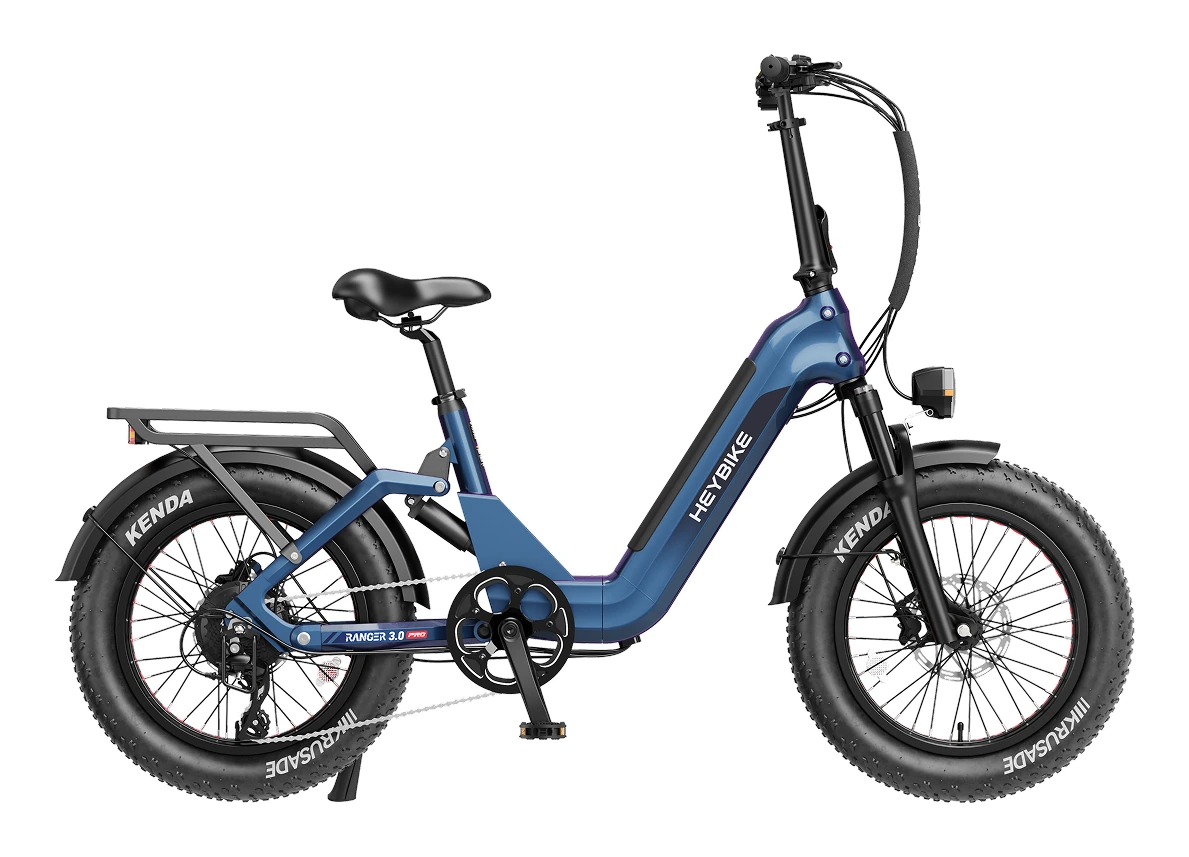
- Wide tires spread the load and add cushion; keep them at the pressure in the manual.
- A throttle helps you get moving at lights without pushing hard on the pedals.
- A step-through frame makes getting on and off easier with a heavier body or a bag.
Sources
- Maximum payload, brakes and motor torque: each bike’s Amazon listing, checked in October 2026, as shown on its QUBILO page.